Introduction
When it concerns choosing the best material for your paving task in the Bay Location, property owners frequently find themselves at a crossroads. Should you select interlocking pavers, recognized for their aesthetic convenience and resilience, or concrete slabs that offer simpleness and toughness? This short article will dig deep right into the topic of Interlocking Pavers vs. Concrete Slabs: Which is Best for Your Bay Location Project? We will check out various aspects including expense, maintenance, layout alternatives, installment processes, and ecological influence to help you make a notified decision.
Understanding Interlocking Pavers
What Are Interlocking Pavers?
Interlocking pavers are private pieces of concrete or block that mesh without mortar to form a solid surface. They come in a selection of forms, sizes, and colors, offering limitless layout opportunities.
Advantages of Interlocking Pavers
Aesthetic Appeal- With numerous designs offered, interlocking pavers can enhance the visual charm of any kind of landscape.
- Made from high-strength concrete or brick, these pavers are developed to endure hefty lots and resist cracking.
- If a paver obtains damaged, it can quickly be changed without disturbing bordering stones.
- Many interlocking paver systems are absorptive, enabling water drain while lowering runoff.
Disadvantages of Interlocking Pavers
Higher First Cost- Although they conserve money over time because of low maintenance requirements, the first investment can be higher than concrete slabs.
- Proper installation requires knowledgeable labor; for this reason employing a seasoned paver installer is crucial.
Understanding Concrete Slabs
What Are Concrete Slabs?
Concrete pieces are huge flat areas of concrete put as one solid item. They work as a sturdy foundation for patios, driveways, and walkways.

Advantages of Concrete Slabs
Cost-Effective- Generally more affordable ahead of time than interlacing pavers due to easier installation processes.
- A single piece can be poured promptly compared to laying private pavers.
- Once set up, concrete slabs require very little maintenance other than occasional sealing.
Disadvantages of Concrete Slabs
Limited Design Options- Aesthetically speaking, concrete slabs might not provide the very same degree of personalization as interlocking pavers.
- Over time and with modifications in temperature or ground activity, splits may develop in concrete slabs.
Interlocking Pavers vs. Concrete Slabs: Cost Comparison
Initial Investment Analysis
|Material|Approximated Expense per Sq Ft|| ----------------------|--------------------------|| Interlocking Pavers|$15-$30|| Concrete Slabs|$6-$12|
The cost difference between interlacing pavers and concrete pieces can be considerable depending on products selected and neighborhood labor prices in the Bay Area.
Long-Term Expenses: Upkeep and Repairs
While initial expenses may recommend that concrete slabs win on rate, think about lasting costs:
- Interlocking paver upkeep involves straightforward cleaning and occasional resealing. Cracked concrete may call for expensive fixings or resurfacing over time.
Installation Refine: Interlocking Pavers vs. Concrete Slabs
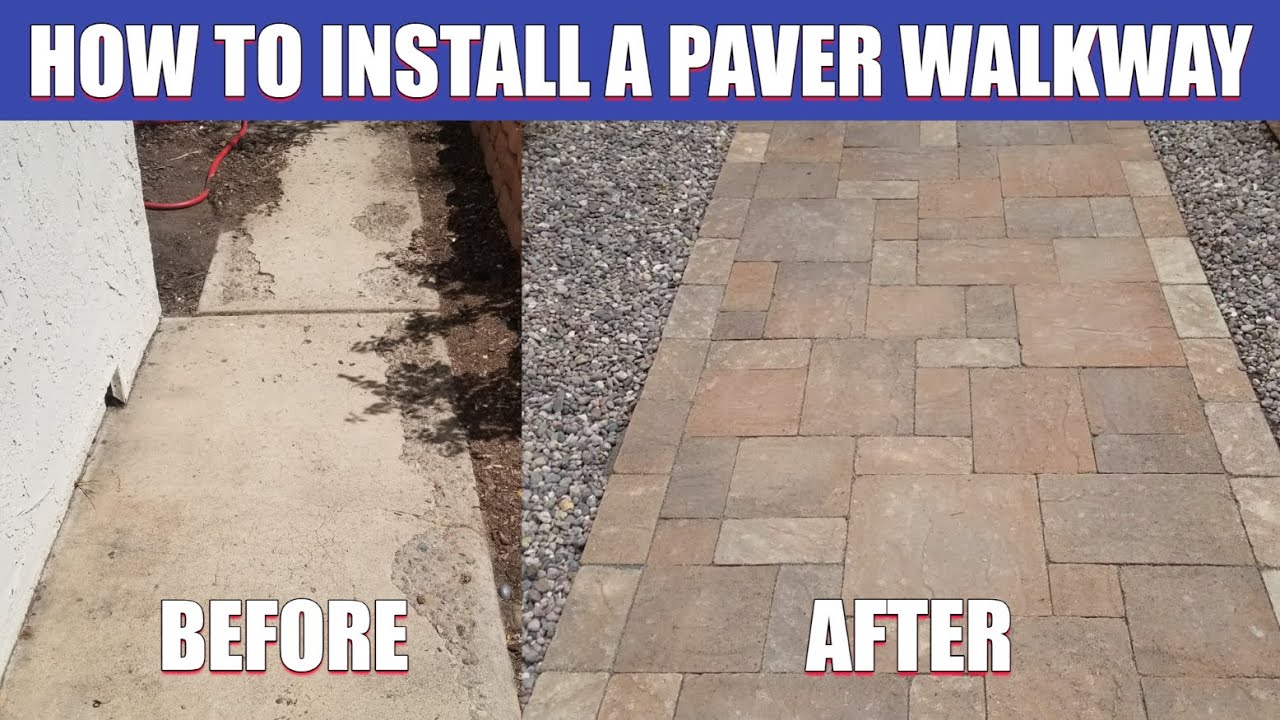
Steps to Install Interlocking Pavers
Excavation Base Preparation Edge Restraints Installation Laying Down Pavers Compaction Joint FillingA professional paving installer makes sure each step is implemented flawlessly for ideal results.
Steps to Mount Concrete Slabs
Site Preparation Formwork Setup Reinforcement Placement Pouring Concrete Finishing SurfaceConcrete slab installation has a tendency to take much less time however needs careful progressing to stay clear of future issues like cracking.
Aesthetic Considerations: Layout Flexibility
Versatility of Interlocking Paver Designs
From classic rock wants to modern-day geometric patterns, interlocking pavers give a canvas for imagination that many home owners value when developing their outside spaces.
Concrete Piece Style Limitations
While you can stain or mark concrete surfaces for added flair, choices remain restricted contrasted to the customizable functions readily available with interlacing pavers.
Environmental Influence: Sustainability Factors
Eco-Friendliness of Interlocking Pavers
Interlocking systems allow rainwater seepage which assists restore groundwater sources while minimizing stormwater drainage-- a crucial factor in environmentally conscious jobs in regions like the Bay Area where water conservation is critical.
Environmental Worry about Concrete Slabs
Concrete production releases considerable greenhouse gases; however, as soon as mounted its durability can balance out some ecological influences in time due its durability compared with various other materials calling for constant replacement.
Climate Factors to consider for The Bay Area Project
Weather Resistance of Interlocking Pavers
The Bay Location experiences diverse climate patterns-- from bright days to rainy spells-- making interlocked systems beneficial due their capability to take care of thermal expansion without fracturing as quickly as strong pieces do under stress problems such as freezing temperature levels followed by thaws during wintertime months.
Concrete's Performance Versus Weather Elements
Though sturdy versus wear-and-tear triggered by automotive website traffic or step stress; extreme weather condition changes may compromise piece honesty over lengthy durations leading towards repair/replacement needs quicker as opposed to later!
Maintaining Your Financial investment: Care Tips for each and every Option
How To Preserve Interlocked Pavements Effectively?
- Regular Sweeping Occasional Resealing (Every Few Years) Prompt Substitute Of Damaged Units
Keeping up with fundamental upkeep makes sure aesthetics continue to be undamaged while durability prolongs past normal expectations!
Caring For Your Concrete Surface Properly?
- Sealant Application Every Few Years Immediate Repair work Of Cracks Regular Cleansing Making use of Mild Detergents
Investing initiative into treatment now means lower prices down-the-line when resolving problems triggered by neglect!
Choosing Between Both Alternatives Based on Way Of Life Demands & Preferences!
Every property owner has distinct needs influencing their choices; whether prioritizing aesthetics versus utility issues considerably particularly if planning occasions hosted outdoors frequently while amusing guests year-round!
Frequently asked question Section
What are the major differences in between interlocking pavers and concrete slabs?
Interlocking pavers give visual adaptability and easy repairs while concrete slabs often tend in the direction of lower first expenses but restriction customization alternatives dramatically gradually due mostly because split fixings end up being increasingly common after years invested revealed outdoors!

How much do interlacing pavers cost?
Typically ranging from $15-$30 per square foot based upon different elements consisting of products picked along with complexity entailed pertaining to installation initiatives required thereafter!
Are there environmentally friendly alternatives among these two materials?
Definitely! While both have pros/cons worth taking into consideration closely-- interlocked systems significantly help manage stormwater efficiently reducing runoff air pollution when installed properly whereas traditional concrete generates significant emissions during producing phases total impacting setting adversely across generations ahead!
How long does it require to set up each option?
Depending mostly upon website conditions/installers availability/experience-- many installments total within simply one day although larger tasks can stretch timelines out further!
Can I mount either type myself?
While DIY lovers may try such tasks successfully-- it's strongly recommended employing experts specializing especially within paving setups provided complexities entailed making https://johnathanvmwf622.theburnward.com/common-errors-to-stay-clear-of-when-employing-a-paver-installer-in-the-bay-area sure high quality workmanship accomplished throughout whole process resulting ultimately advantageous end results delighted in afterward!
What's more durable in high traffic areas?
Generally talking-- interlocked units outshine strengthened surface areas when subjected constantly withstanding hefty steps since they distribute weight evenly stopping localized anxieties creating cracks or else inevitable otherwise happening otherwise existing where conventional piece structures put down previously became jeopardized too early too soon!
Conclusion
In conclusion-- the selection between interlocking pavers versus concrete slabs boils down mainly individual preference along with useful factors to consider details tailored individual needs/preferences showed clearly throughout analysis conducted here today! While both have special advantages worth discovering completely-- those seeking aesthetic adaptability combined toughness may lean towards selecting lovely yet durable options offered through personalized layouts found solely within world complex artistry stood for utilizing stunning ranges readily available just through extraordinary workmanship included generating quality items supplied within market standard techniques regularly stuck purely adhered making certain long lasting complete satisfaction achieved ultimately assured making certain peace-of-mind consistently kept quickly provided consistently every step trip taken beginning end alike!